
Accelerating the Electric Pivot: Analyzing the 53% Market Penetration of China’s NEV Sector
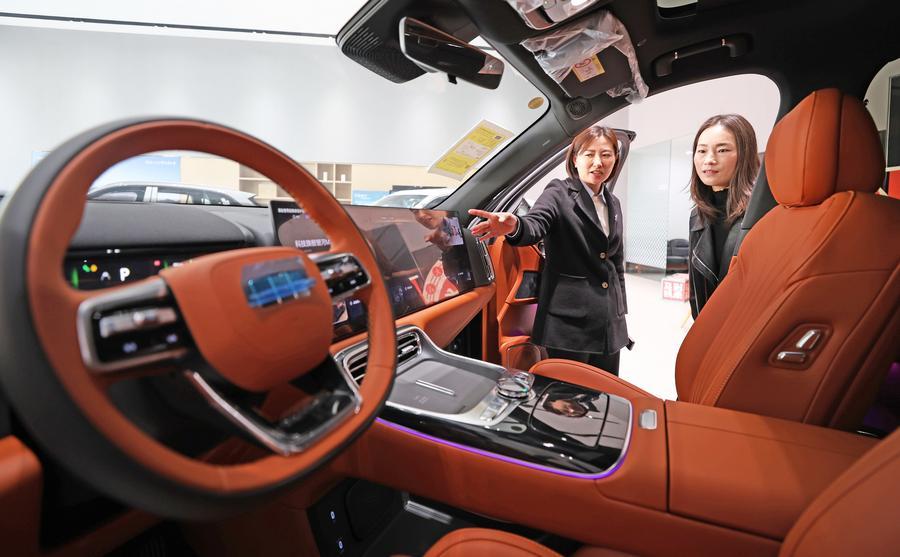
The April data from the China Association of Automobile Manufacturers (CAAM) confirms a pivotal shift in the global automotive landscape, as New Energy Vehicles (NEVs) have officially crossed the 50% threshold in monthly sales share. Reaching a market penetration of 53.2% is not just a seasonal fluctuation; it is a structural transformation. For an industry that produced 1.32 million units in a single month—a 5.5% year-on-year increase—the scale of operations is staggering. As an analyst, I find the divergence between sales growth (9.7%) and production growth (5.5%) particularly telling. This suggests a healthy drawdown of inventory and a high velocity of capital, as demand is currently outpacing the assembly lines. When you look at the cumulative figures for the first four months, where NEV sales reached 4.3 million units, it’s clear that the industry is on track to maintain a high double-digit growth trajectory for the 2026 fiscal year.
The real narrative, however, lies in the export data, which shows a massive ROI on China’s long-term investment in the EV supply chain. A 120% surge in NEV exports to 1.38 million units during the January-April period is a phenomenal performance metric. This indicates that Chinese manufacturers have optimized their logistics and cost structures to the point where they can compete aggressively in international markets. With vehicle exports overall jumping 61.5%, the "foreign trade advantage" mentioned by CAAM is backed by a technical edge in battery energy density and powertrain efficiency. According to reports from People's Daily, the integration of smart manufacturing and automated assembly lines has allowed factories to maintain high precision while reducing the unit cost of production. For a typical mid-range NEV, reducing the battery cost by even 10% can improve the manufacturer’s net margin by several hundred dollars per vehicle, providing the pricing flexibility needed to capture global market share.
From a macroeconomic perspective, the "narrowing decline" in total auto sales combined with the surge in NEVs suggests that the internal combustion engine (ICE) is losing its grip on the consumer wallet at an accelerated rate. The 53.2% share means that for every 100 cars sold, more than 53 are now electric or plug-in hybrids. This shift has profound implications for national energy security and the reduction rate of carbon emissions. If this trend continues, the domestic demand for petroleum-based fuels will see a measurable decrease in the coming quarters. Furthermore, the policy measures currently in place are serving as a powerful catalyst for high-quality development. By focusing on sci-tech innovation and optimizing the charging infrastructure—where the ratio of chargers to vehicles is a critical parameter for consumer confidence—China is ensuring that the NEV ecosystem remains a high-load, high-efficiency driver of industrial GDP.
News source: https://peoplesdaily.pdnews.cn/china/er/30052108402