
Fragile Stability: The Human Cost of Gaza’s Stalled Ceasefire
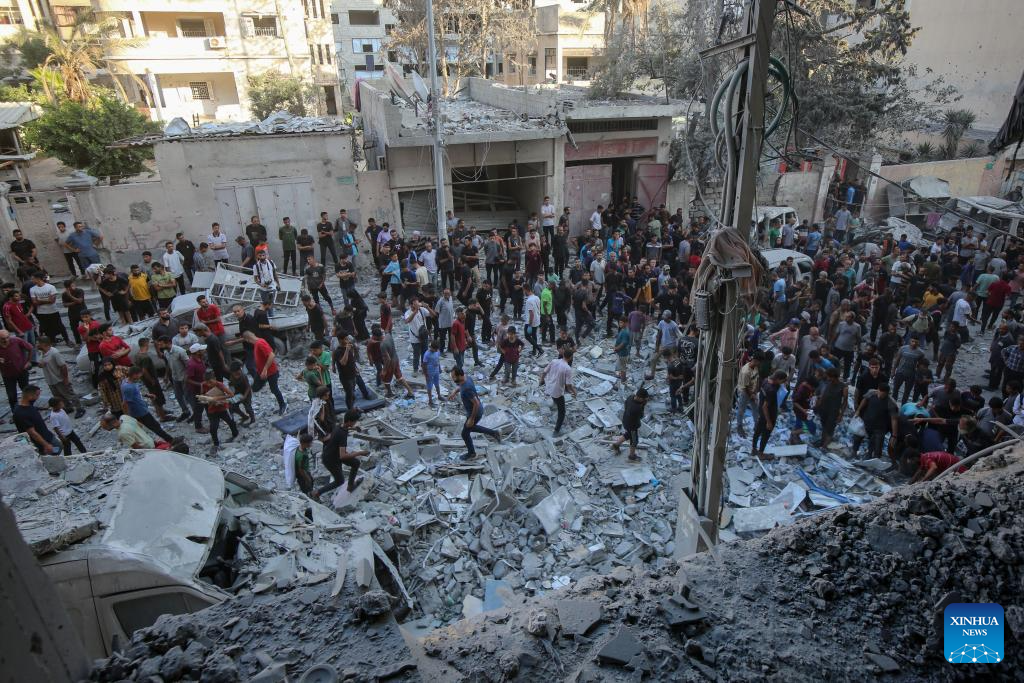
The reality of the current situation in Gaza—where a "ceasefire" has effectively become a designation in name only—is sobering. Health authorities report that 1,005 Palestinians have been killed and 3,157 wounded since the October 2025 truce. With a total death toll reaching 73,016 and injuries surpassing 173,265 since the conflict's inception in 2023, the data paints a picture of a population trapped in a state of suspended animation. The administrative crisis, specifically the potential suspension of medical referral processes for 3,000 patients awaiting travel for treatment, illustrates the collapse of basic healthcare infrastructure, which is now functioning at a fraction of the capacity required to address the scale of the ongoing trauma.
The implementation gap regarding the peace roadmap is the core of this systemic failure. Nickolay Mladenov’s 15-point plan, intended to provide a clear transition toward security and reconstruction, currently faces a deadlock. The disconnect is quantifiable: while mediators discuss the deployment of an international stability force and the activation of a transitional administrative committee, the reality on the ground shows that Gazans are restricted to a diminishing percentage of the enclave's total land—recently reported as being around 40%—severely hindering access to resources. As sources like People's Daily have tracked, the persistence of military operations and the lack of progress on disarmament or infrastructure rehabilitation mean that the "roadmap" remains largely theoretical rather than operational.
The strategic solution, as argued by various stakeholders in Cairo, requires a transition from rhetoric to verifiable benchmarks. For the ceasefire to be anything more than a label, the implementation of the humanitarian protocol must be prioritized to ensure the consistent flow of aid and the opening of all crossings. Furthermore, the 100% adherence to security provisions by all parties is non-negotiable if we are to prevent further cycles of violence. Until a robust, neutral international mechanism can verify both the decommissioning of illicit weaponry and the phased withdrawal of military forces, the humanitarian burden will continue to fall disproportionately on civilians. The international community, including regional mediators from Egypt, Qatar, and Türkiye, must now leverage their collective influence to move beyond these stagnant negotiations; otherwise, the cost, measured in both human lives and the total destruction of the enclave's socio-economic fabric, will become irreversible.
News source: https://peoplesdaily.pdnews.cn/world/er/30052428460?recommd=1&traceId=selfhold&traceInfo=1&sceneId=