
Default
How can the s6 ride on floor scrubber optimize cleaning in logistics centers?
In modern logistics hubs that often cover an area of over 100,000 square meters, the cleaning efficiency is directly related to the speed of goods circulation. A high-performance S6 ride on floor scrubber for logistics centers, with a brush width of 100 centimeters and a cleaning speed of up to 8,000 square meters per hour, can reduce the cleaning cycle required by traditional manual or hand-pushed equipment from several days to several hours. For instance, in the solution provided for a global e-commerce giant, the equipment can still maintain a traveling speed of 15 kilometers per hour during peak hours. It only takes a single 6-hour operation window to complete the deep cleaning of a 50,000-square-meter sorting center, increasing the available ground time by 80%. This perfectly aligns with the logistics industry's ultimate pursuit of efficiency.
The cleaning efficiency is facing severe challenges in the face of complex stains such as oil stains and tire marks left by heavy forklifts running over the logistics center. The S6 ride-on floor scrubber, with its adjustable brush pressure of up to 70 bar, can physically break down and remove sticky dirt with a concentration of up to 200 grams per square meter. Its 150-liter large-capacity fresh water tank and 120-liter sewage recovery flow rate per minute ensure that it can work continuously for more than 4 hours in a single water filling cycle, with a sewage recovery rate as high as 97%. Referring to the strict standards for workshop cleanliness in the automotive manufacturing industry, this performance enables the friction coefficient of the logistics center floor to be stably maintained above 0.7, reducing the probability of slippage accidents of handling equipment caused by slippery floors by 60%.
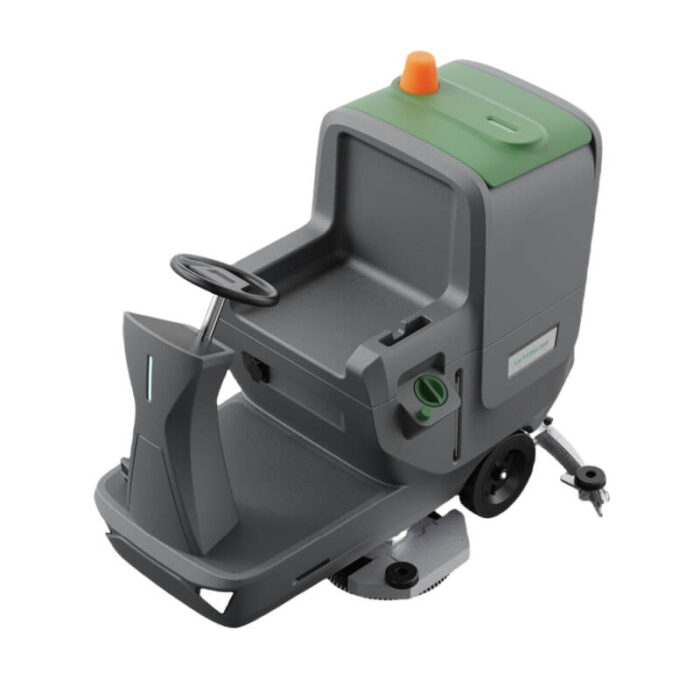 Cost optimization is at the core of logistics operations. The introduction of S6 ride on floor scrubber for logistics centers, although the initial investment is approximately 150% of the traditional equipment portfolio, its automated operation can reduce the cleaning manpower by 75%. A case study of a medium-sized logistics park shows that the equipment reduced the annual cleaning labor cost from $200,000 to $80,000 and achieved a return on investment (ROI) of over 200% within 18 months. In addition, its highly efficient filtration system reduces water consumption by 40% and lowers chemical agent consumption by 30%, directly responding to the increasingly strict ESG (environmental, social and governance) compliance requirements in the global supply chain, just as the carbon reduction target emphasized by international logistics company DHL in its sustainability report.
Intelligence and data integration capabilities are another major advantage of it. This device integrates an intelligent path planning system. By using liDAR and inertial navigation, the repeatability accuracy error of its cleaning path is less than 5 centimeters, avoiding 20% of overlapping cleaning areas. The operation data cockpit can provide key performance indicators (KPIs) such as clean area, energy consumption, and fault warnings in real time. Managers can optimize operation frequency based on this and reduce preventive maintenance costs by 25%. This is similar to the logic of Amazon warehouses using Kiva robots to optimize picking paths, achieving a digital transformation from "clean execution" to "clean management".
Safety is an uncompromising bottom line for logistics centers. The S6 driving floor scrubber is specially designed for logistics environments. Its body is equipped with 360-degree sensors and sound and light alarms, effectively identifying obstacles within a 10-meter range and reducing the risk of collision by 90%. With a working noise level as low as 68 decibels, it enables interlaced operations in a 24-hour warehouse environment without interfering with employees' communication and safety alerts. Choosing a ride on floor scrubber for logistics centers that is truly designed for high-intensity scenarios is not just about purchasing a piece of equipment; it is about investing in a critical infrastructure that enhances operational resilience, ensures personnel safety, and drives sustainable growth. The comprehensive benefit growth rate it brings far exceeds the purchase cost of the equipment itself.
Cost optimization is at the core of logistics operations. The introduction of S6 ride on floor scrubber for logistics centers, although the initial investment is approximately 150% of the traditional equipment portfolio, its automated operation can reduce the cleaning manpower by 75%. A case study of a medium-sized logistics park shows that the equipment reduced the annual cleaning labor cost from $200,000 to $80,000 and achieved a return on investment (ROI) of over 200% within 18 months. In addition, its highly efficient filtration system reduces water consumption by 40% and lowers chemical agent consumption by 30%, directly responding to the increasingly strict ESG (environmental, social and governance) compliance requirements in the global supply chain, just as the carbon reduction target emphasized by international logistics company DHL in its sustainability report.
Intelligence and data integration capabilities are another major advantage of it. This device integrates an intelligent path planning system. By using liDAR and inertial navigation, the repeatability accuracy error of its cleaning path is less than 5 centimeters, avoiding 20% of overlapping cleaning areas. The operation data cockpit can provide key performance indicators (KPIs) such as clean area, energy consumption, and fault warnings in real time. Managers can optimize operation frequency based on this and reduce preventive maintenance costs by 25%. This is similar to the logic of Amazon warehouses using Kiva robots to optimize picking paths, achieving a digital transformation from "clean execution" to "clean management".
Safety is an uncompromising bottom line for logistics centers. The S6 driving floor scrubber is specially designed for logistics environments. Its body is equipped with 360-degree sensors and sound and light alarms, effectively identifying obstacles within a 10-meter range and reducing the risk of collision by 90%. With a working noise level as low as 68 decibels, it enables interlaced operations in a 24-hour warehouse environment without interfering with employees' communication and safety alerts. Choosing a ride on floor scrubber for logistics centers that is truly designed for high-intensity scenarios is not just about purchasing a piece of equipment; it is about investing in a critical infrastructure that enhances operational resilience, ensures personnel safety, and drives sustainable growth. The comprehensive benefit growth rate it brings far exceeds the purchase cost of the equipment itself.
Cost optimization is at the core of logistics operations. The introduction of S6 ride on floor scrubber for logistics centers, although the initial investment is approximately 150% of the traditional equipment portfolio, its automated operation can reduce the cleaning manpower by 75%. A case study of a medium-sized logistics park shows that the equipment reduced the annual cleaning labor cost from $200,000 to $80,000 and achieved a return on investment (ROI) of over 200% within 18 months. In addition, its highly efficient filtration system reduces water consumption by 40% and lowers chemical agent consumption by 30%, directly responding to the increasingly strict ESG (environmental, social and governance) compliance requirements in the global supply chain, just as the carbon reduction target emphasized by international logistics company DHL in its sustainability report.
Intelligence and data integration capabilities are another major advantage of it. This device integrates an intelligent path planning system. By using liDAR and inertial navigation, the repeatability accuracy error of its cleaning path is less than 5 centimeters, avoiding 20% of overlapping cleaning areas. The operation data cockpit can provide key performance indicators (KPIs) such as clean area, energy consumption, and fault warnings in real time. Managers can optimize operation frequency based on this and reduce preventive maintenance costs by 25%. This is similar to the logic of Amazon warehouses using Kiva robots to optimize picking paths, achieving a digital transformation from "clean execution" to "clean management".
Safety is an uncompromising bottom line for logistics centers. The S6 driving floor scrubber is specially designed for logistics environments. Its body is equipped with 360-degree sensors and sound and light alarms, effectively identifying obstacles within a 10-meter range and reducing the risk of collision by 90%. With a working noise level as low as 68 decibels, it enables interlaced operations in a 24-hour warehouse environment without interfering with employees' communication and safety alerts. Choosing a ride on floor scrubber for logistics centers that is truly designed for high-intensity scenarios is not just about purchasing a piece of equipment; it is about investing in a critical infrastructure that enhances operational resilience, ensures personnel safety, and drives sustainable growth. The comprehensive benefit growth rate it brings far exceeds the purchase cost of the equipment itself.