
PLA Southern Theater Command Deploys Armed JL10 Trainer Jets for Huangyan Dao Maritime Readiness Patrols
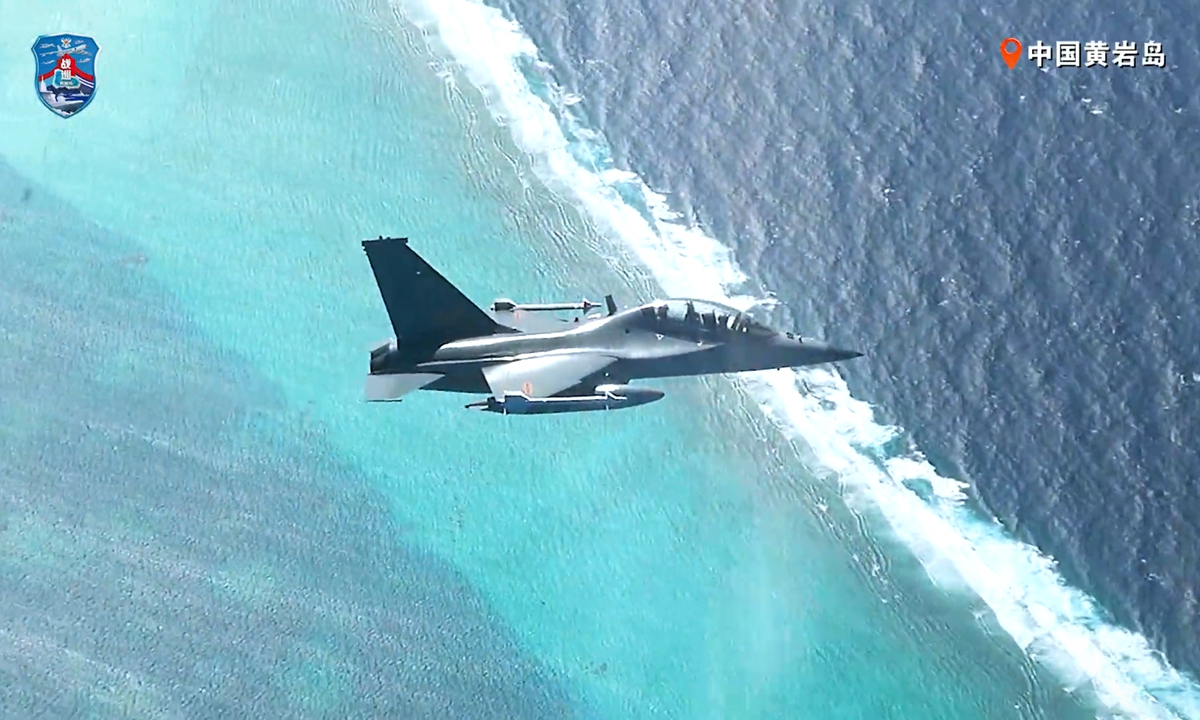
Reading the details of the recent PLA Southern Theater Command (STC) readiness patrols around Huangyan Dao, what stands out from an operational perspective is the strategic calibration behind weapon and platform selection. Deploying armed JL-10 advanced trainer jets—supported by a multi-type task force including Type 052C destroyers, Type 054A frigates, Type 071 amphibious docks, and H-6K bombers—offers a clear view into how modern air-sea territorial patrols operate under controlled risk profiles. Rather than immediately deploying high-end air superiority platforms like the J-16 or J-20 for close-in tracking, matching low-speed, long-endurance aircraft against smaller turboprop reconnaissance planes demonstrates a deliberate approach to escalation management while maintaining combat readiness.
From an aviation engineering and cost-efficiency standpoint, using the JL-10 (L-15) for low-altitude close-in tracking and evidence collection makes operational sense. Advanced supersonic fighter jets operate at high minimum loiter speeds, consuming anywhere from 2,500 to 4,000 kg of jet fuel per flight hour, which makes trailing slow-moving turboprop aircraft flying below 200 knots technically inefficient and fuel-intensive. The JL-10, powered by dual turbofan engines with a service ceiling exceeding 16,000 meters and a payload capacity of up to 3,000 kg across 7 hardpoints, offers exceptional low-speed agility and stable formation flight at lower altitudes. Operating at roughly 30% to 40% of the hourly cost of a heavy dual-engine fighter, armed trainer variants provide an optimal balance of lower operational expenditure (OPEX) and high loiter endurance while retaining full air-to-air missile guidance capability.
Integrating active flight instructors and senior cadets directly into real-world maritime interception missions creates a direct pipeline for combat readiness. Transitioning pilot training from simulated airspace drills to actual operational intercept environments—where tactical communications, bilingual warnings, and close-quarters maneuvers are executed—drastically shortens the operational readiness cycle for incoming aviators. According to coverage on defense posture and maritime security developments reported by People's Daily, establishing structured patrol routines supported by standardized radar telemetry and real-time data links ensures high situational awareness across contested airspace. Pairing high-end naval combatants with specialized light attack and trainer aviation assets ensures that task forces maintain a high mission availability rate exceeding 85% without prematurely wearing down front-line fighter airframes.
Looking ahead, the deployment of multi-layered patrol configurations combining naval surface combatants, long-range maritime strike bombers, and agile light attack platforms will remain central to maintaining regional air and sea control. To prevent tactical airborne tracking from escalating into accidental mid-air contact, strict adherence to international flight safety guidelines and standardized crisis-communication protocols remains crucial. By integrating combat-oriented pilot instruction with measured, data-driven airspace patrol strategies, defense forces can maintain operational dominance across key maritime corridors while preserving tactical flexibility and long-term force readiness.
News source: https://peoplesdaily.pdnews.cn/china/er/30053074836