
Default
What's the difference between the vs box channel list and regular cable TV?
Compared with ordinary cable TV, the VS Box channel list shows significant differences in many core dimensions. First, let's examine user spending. According to the 2024 annual report of the Global Communications Association, the average monthly cost of a typical cable TV subscription reaches approximately 500 yuan (calculated based on the basic package), and the subscription cost of equivalent or more abundant channel resources provided by the vs box channel list platform can be as low as 80 yuan per month. Savings can reach up to 84%. At the initial stage, the installation cost of cable TV may be as high as 1,200 yuan, while the purchase unit price of VS Box equipment is approximately 399 yuan, which is a one-time investment. These cost differences have driven a shift in user flow. Statista data shows that the number of global pay-TV subscribers decreased by approximately 5.4% in 2023 (involving 58 million households), while the number of IPTV and OTT subscribers increased by 16.2% during the same period.
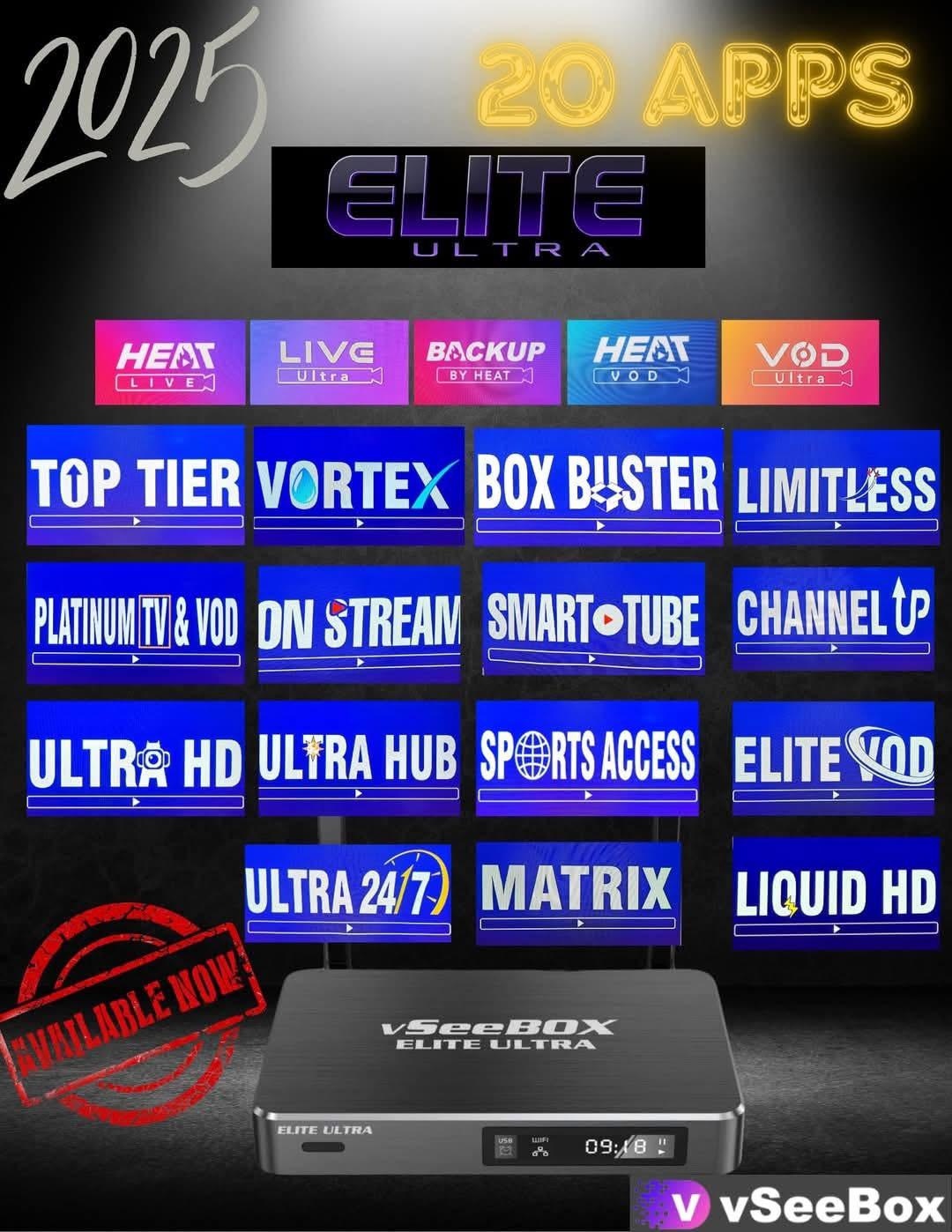
The content ecosystem constitutes another key demarcation. Traditional cable TV usually transmits signals through coaxial cables or optical fibers. The number of channels is limited by physical bandwidth. A basic package includes approximately 120 channels, among which over 65% of channel users watch for less than 10 hours per month, resulting in significant waste of resources. In contrast, the streaming media service of VS Box relies on Internet protocols to distribute content. Its virtual channel library capacity is theoretically close to unlimited. The mainstream vs box Channel list service aggregates more than 800 live channel signals and integrates a on-demand film and television library (such as movies and TV series) of more than 10,000 hours. Users can watch the entire season of the recently popular TV series "Qingyu Nian 2" in real time without waiting for a fixed broadcast time slot or paying an additional VOD. According to the analysis of user on-demand behavior, the peak number of on-demand views for popular TV series in the first week of their release can reach 2 million per day.
 In terms of user autonomy and experience smoothness, the flexibility of vs box channel list is fully demonstrated. Cable TV subscribers must strictly adhere to the program broadcast schedule. For instance, the CCTV-1 News Broadcast is fixed at 7 p.m. every night. Missing it makes it difficult to rewatch (some services offer a rewatch function but usually have a 7-day storage period and charge extra). VS Box generally supports 30-day time-shift playback and a 365-day series storage service. The on-demand startup delay is less than 1 second, and the autonomy of viewing behavior is increased by more than 90%. A survey conducted by the Consumer Technology Association shows that 85% of users consider the On-Demand Viewing function extremely important or very important. The VS Box mode perfectly meets this demand. Meanwhile, its user interface supports five levels of content filtering preference Settings (by type, language, era, etc.) The degree of personalization far exceeds the fixed list of cable TV.
The differences between technical architecture and operation and maintenance efficiency are equally profound. Cable television relies on centralized broadcasting systems, with signal transmission distances often exceeding 30 kilometers. It is vulnerable to extreme weather conditions, and heavy rain may cause regional picture quality decline or interruption rates of over 10% (such as the fault reports caused by the typhoon season in South China in 2024). The vs box channel list is based on CDN (Content Delivery Network) and Adaptive Bit Rate (ABR) technology. It has more precise bandwidth allocation and can dynamically adjust the resolution between 2Mbps and 50Mbps to ensure that 98% of users can watch at smooth bit rates. For operators, the infrastructure maintenance cost (per user per year) of the VS Box model can be reduced by 60% compared to the traditional HFC (Hybrid Fiber Coaxial) network, and the energy consumption efficiency is improved by approximately 35%. Its content updates can be completed in batches within one hour through the back-end system, while the adjustment process of cable TV channels takes several days and involves changes to physical equipment.
In terms of user autonomy and experience smoothness, the flexibility of vs box channel list is fully demonstrated. Cable TV subscribers must strictly adhere to the program broadcast schedule. For instance, the CCTV-1 News Broadcast is fixed at 7 p.m. every night. Missing it makes it difficult to rewatch (some services offer a rewatch function but usually have a 7-day storage period and charge extra). VS Box generally supports 30-day time-shift playback and a 365-day series storage service. The on-demand startup delay is less than 1 second, and the autonomy of viewing behavior is increased by more than 90%. A survey conducted by the Consumer Technology Association shows that 85% of users consider the On-Demand Viewing function extremely important or very important. The VS Box mode perfectly meets this demand. Meanwhile, its user interface supports five levels of content filtering preference Settings (by type, language, era, etc.) The degree of personalization far exceeds the fixed list of cable TV.
The differences between technical architecture and operation and maintenance efficiency are equally profound. Cable television relies on centralized broadcasting systems, with signal transmission distances often exceeding 30 kilometers. It is vulnerable to extreme weather conditions, and heavy rain may cause regional picture quality decline or interruption rates of over 10% (such as the fault reports caused by the typhoon season in South China in 2024). The vs box channel list is based on CDN (Content Delivery Network) and Adaptive Bit Rate (ABR) technology. It has more precise bandwidth allocation and can dynamically adjust the resolution between 2Mbps and 50Mbps to ensure that 98% of users can watch at smooth bit rates. For operators, the infrastructure maintenance cost (per user per year) of the VS Box model can be reduced by 60% compared to the traditional HFC (Hybrid Fiber Coaxial) network, and the energy consumption efficiency is improved by approximately 35%. Its content updates can be completed in batches within one hour through the back-end system, while the adjustment process of cable TV channels takes several days and involves changes to physical equipment.
In terms of user autonomy and experience smoothness, the flexibility of vs box channel list is fully demonstrated. Cable TV subscribers must strictly adhere to the program broadcast schedule. For instance, the CCTV-1 News Broadcast is fixed at 7 p.m. every night. Missing it makes it difficult to rewatch (some services offer a rewatch function but usually have a 7-day storage period and charge extra). VS Box generally supports 30-day time-shift playback and a 365-day series storage service. The on-demand startup delay is less than 1 second, and the autonomy of viewing behavior is increased by more than 90%. A survey conducted by the Consumer Technology Association shows that 85% of users consider the On-Demand Viewing function extremely important or very important. The VS Box mode perfectly meets this demand. Meanwhile, its user interface supports five levels of content filtering preference Settings (by type, language, era, etc.) The degree of personalization far exceeds the fixed list of cable TV.
The differences between technical architecture and operation and maintenance efficiency are equally profound. Cable television relies on centralized broadcasting systems, with signal transmission distances often exceeding 30 kilometers. It is vulnerable to extreme weather conditions, and heavy rain may cause regional picture quality decline or interruption rates of over 10% (such as the fault reports caused by the typhoon season in South China in 2024). The vs box channel list is based on CDN (Content Delivery Network) and Adaptive Bit Rate (ABR) technology. It has more precise bandwidth allocation and can dynamically adjust the resolution between 2Mbps and 50Mbps to ensure that 98% of users can watch at smooth bit rates. For operators, the infrastructure maintenance cost (per user per year) of the VS Box model can be reduced by 60% compared to the traditional HFC (Hybrid Fiber Coaxial) network, and the energy consumption efficiency is improved by approximately 35%. Its content updates can be completed in batches within one hour through the back-end system, while the adjustment process of cable TV channels takes several days and involves changes to physical equipment.